Project 05 — MSc Year 1
The
The
Chain
Schiedam, Netherlands — 2026
Schiedam, Netherlands — 2026
The Chain is the first design project undertaken at the TU Delft Master of Architecture programme. The project started with research into textured glass and how it can create interesting light and shadow effects. Different surface patterns were tested to see how they could shape light inside a space. This also led to the idea of using orange and amber-colored glass to create a warm and atmospheric feeling. However, this idea was difficult to apply to a large building and was more suitable for smaller elements.
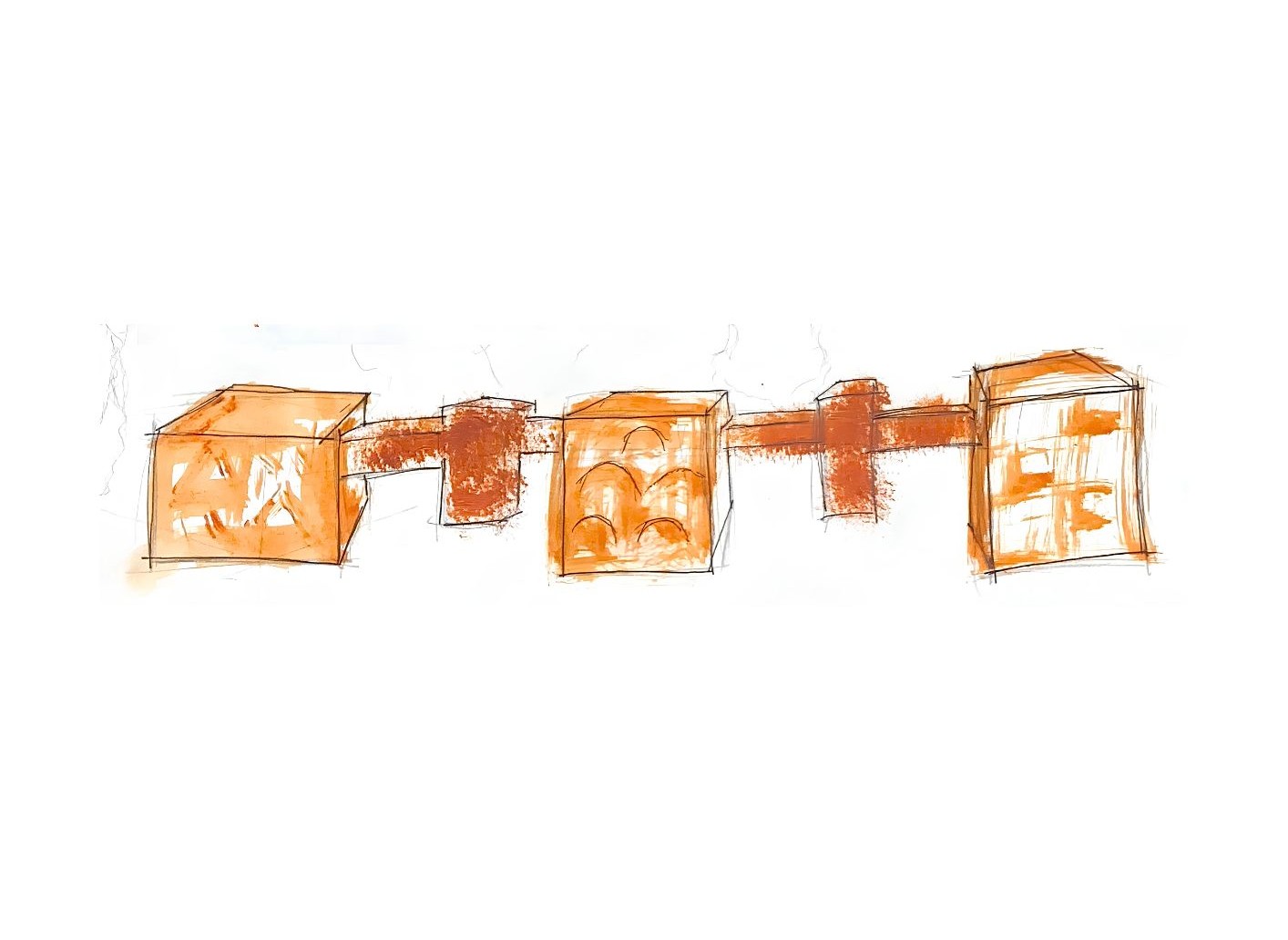
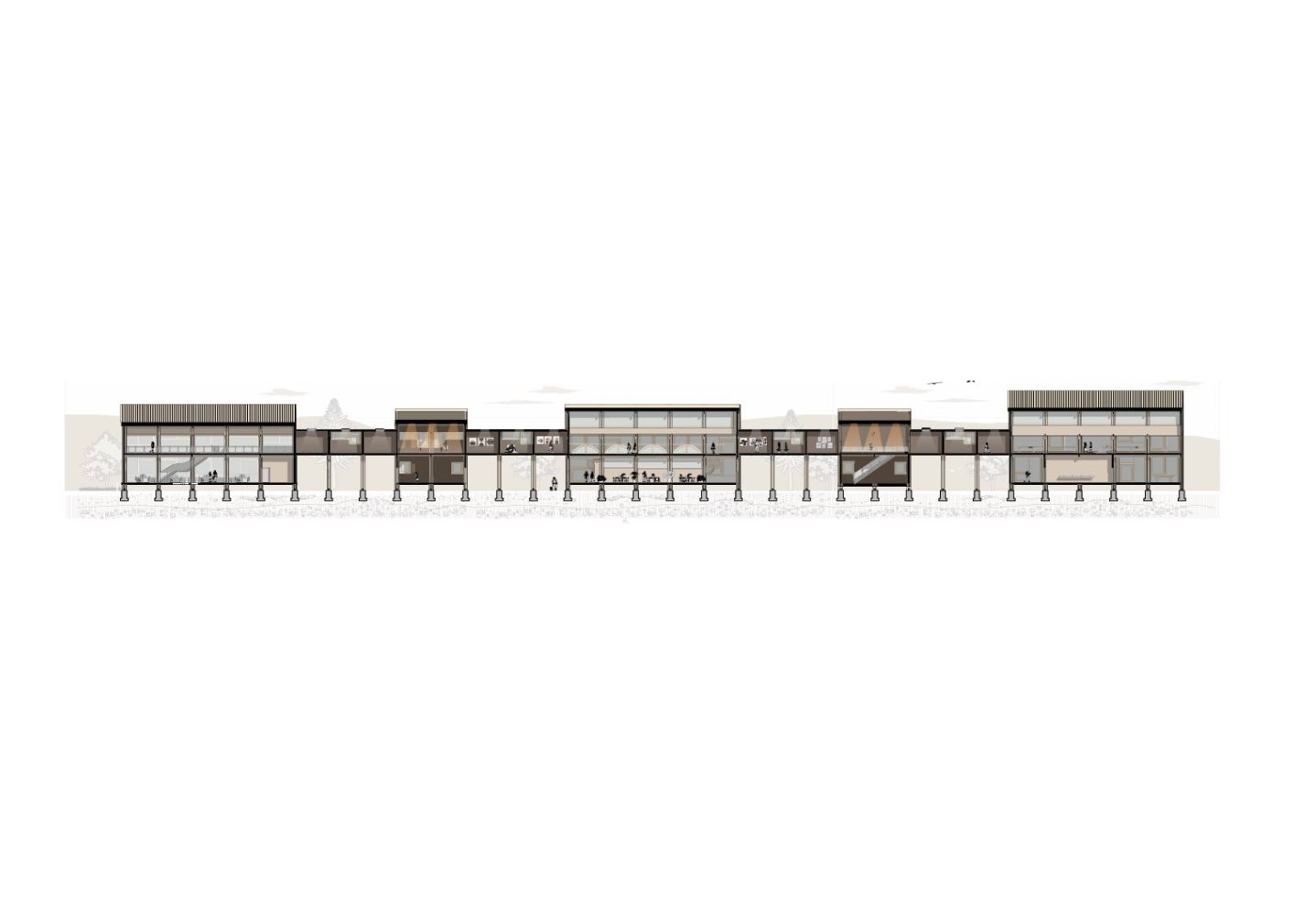
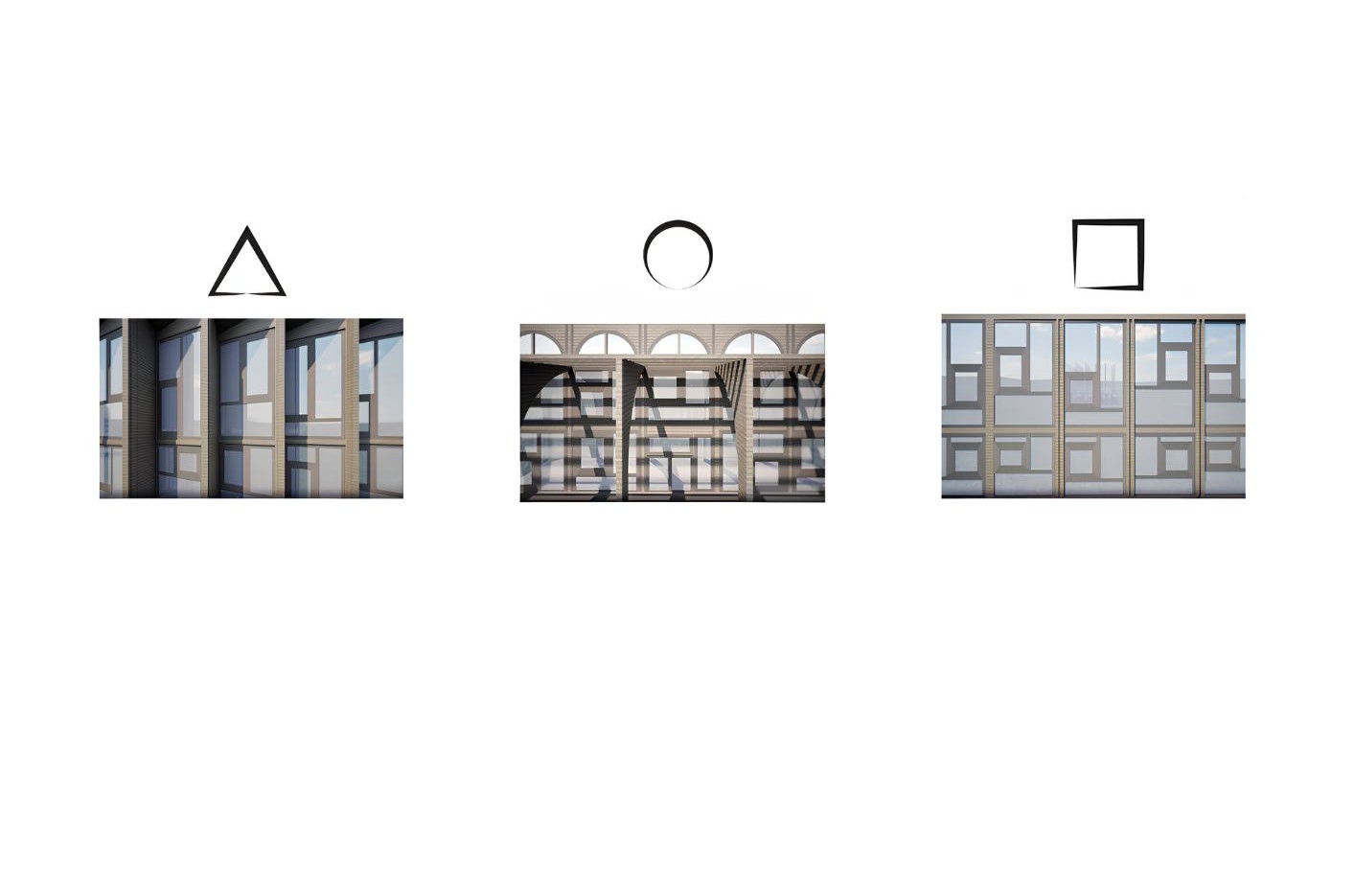
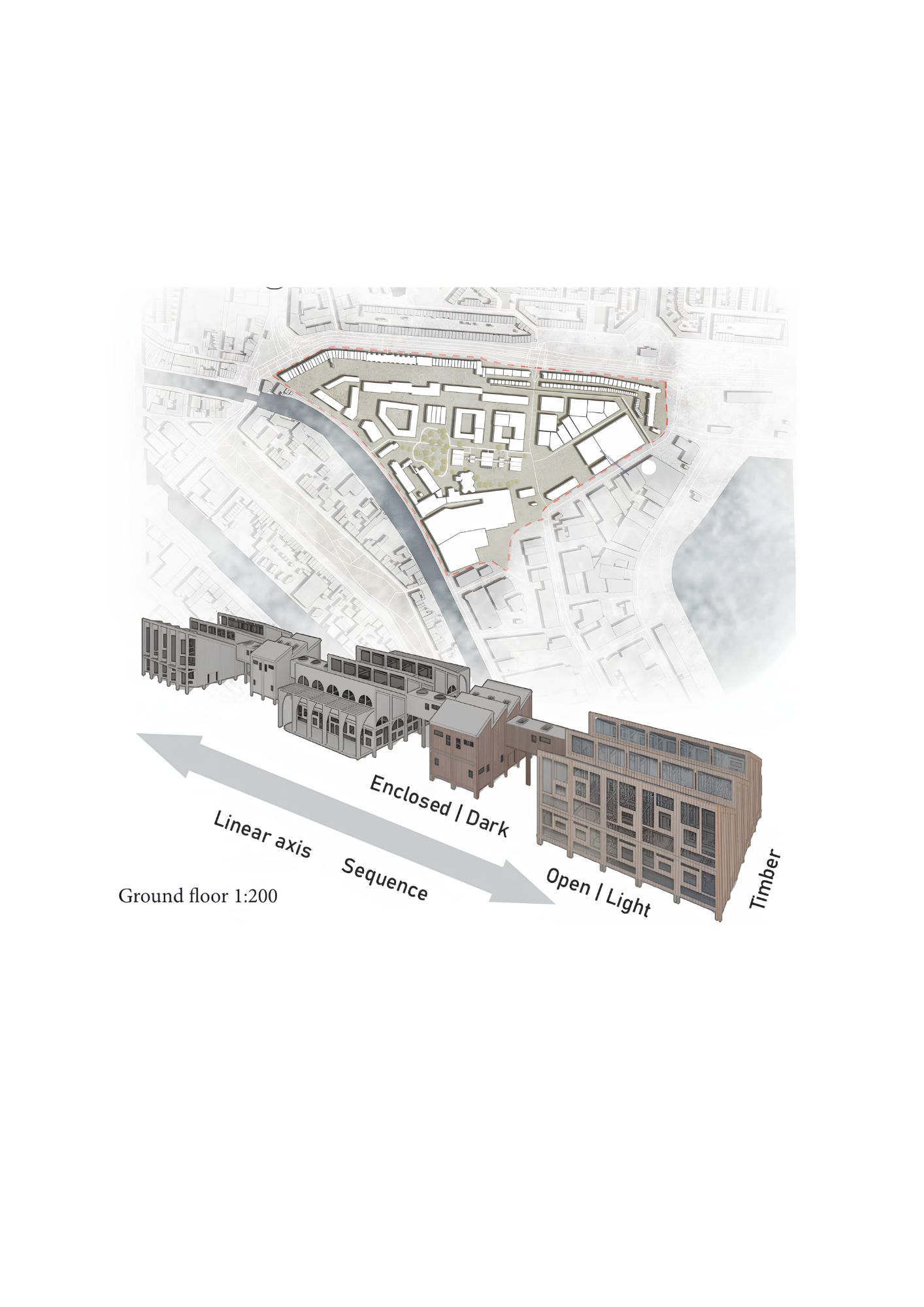
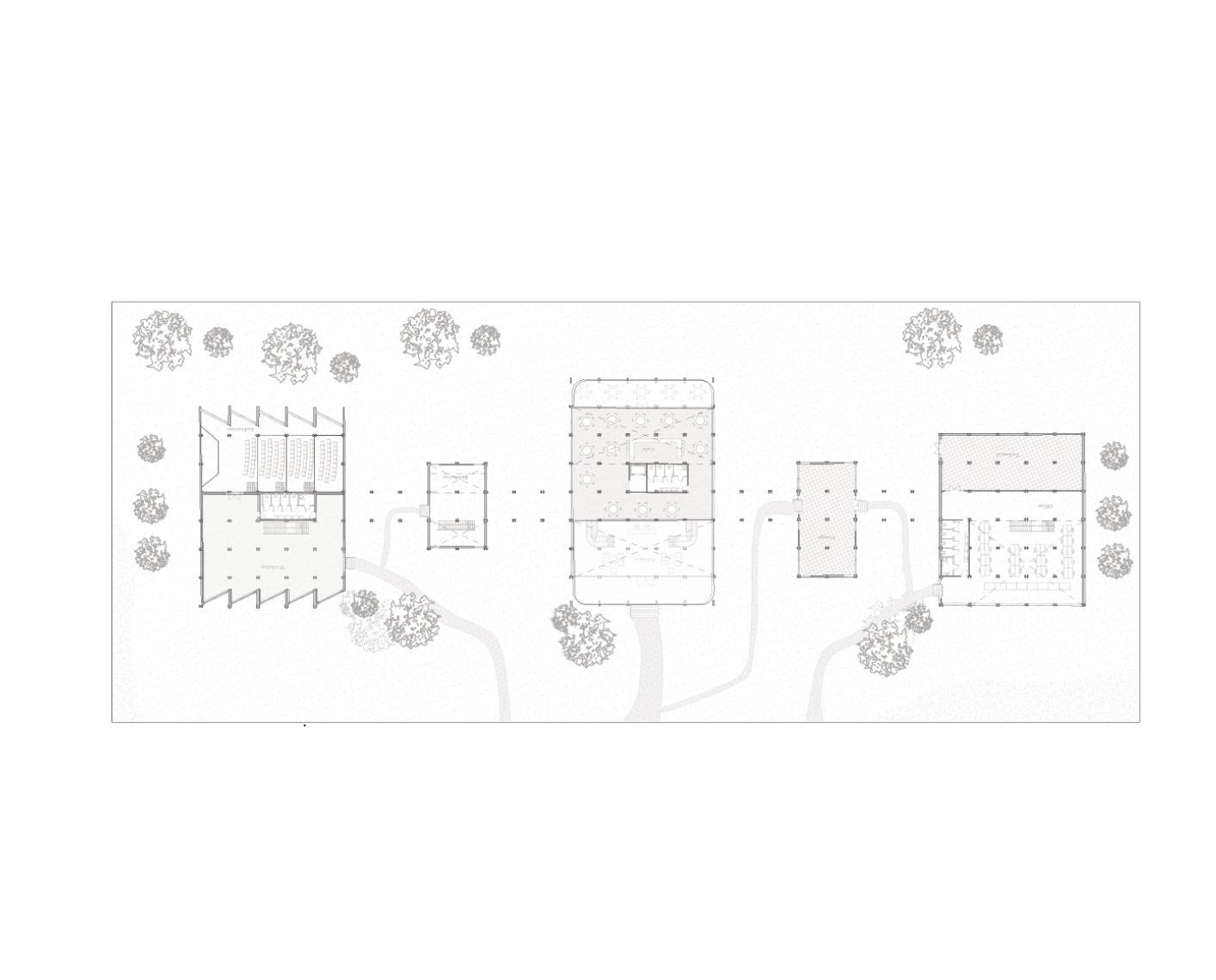
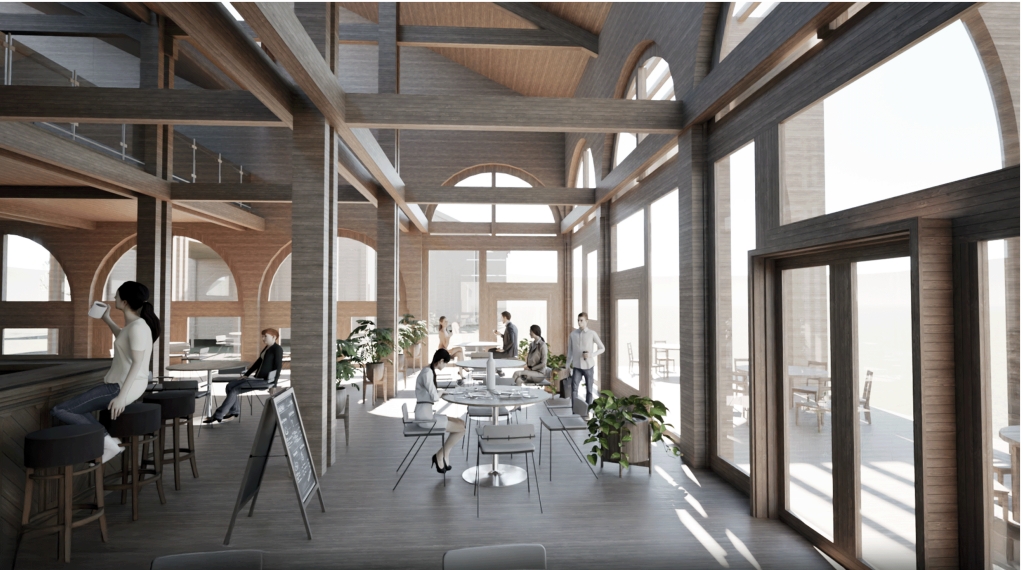
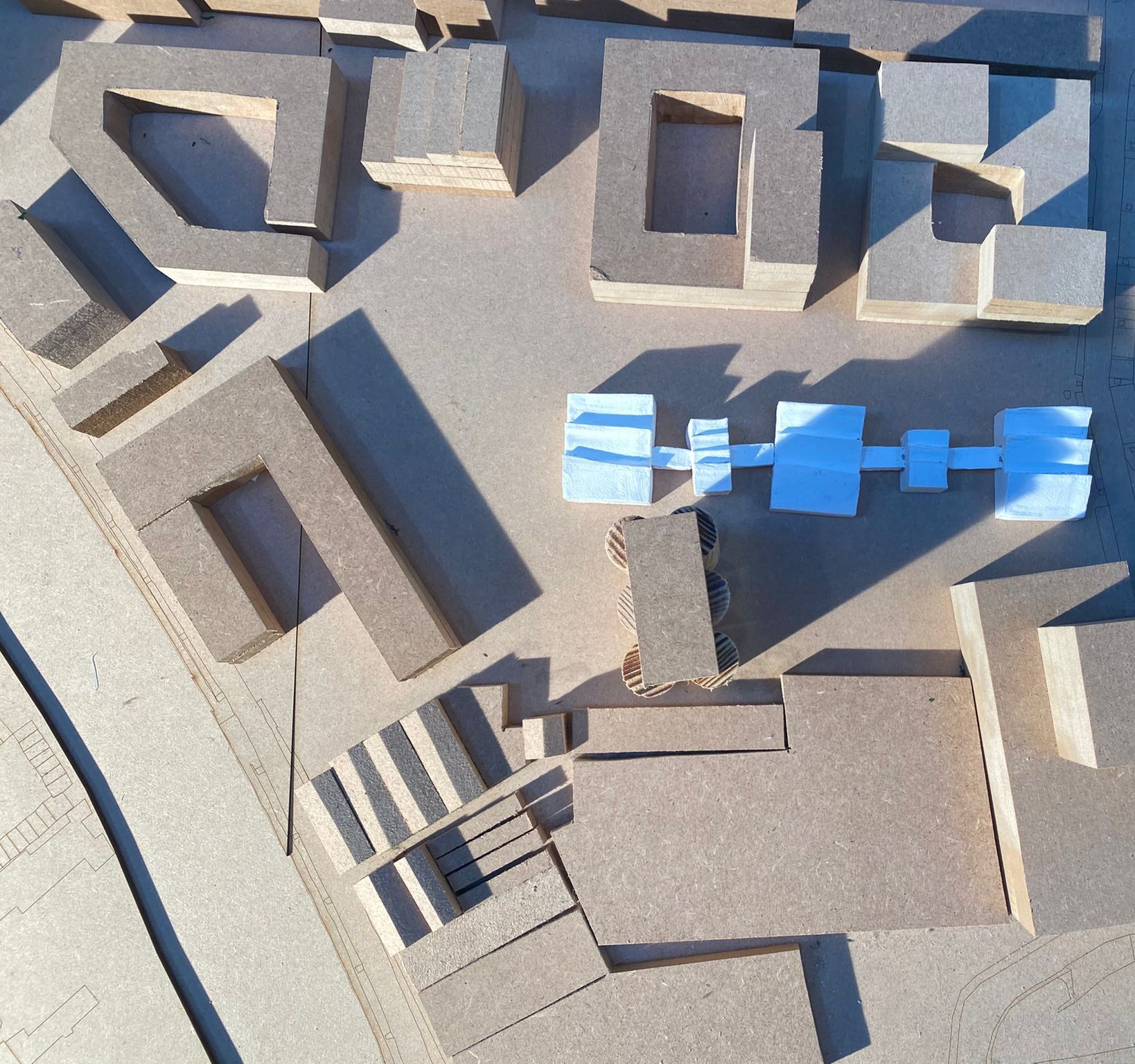
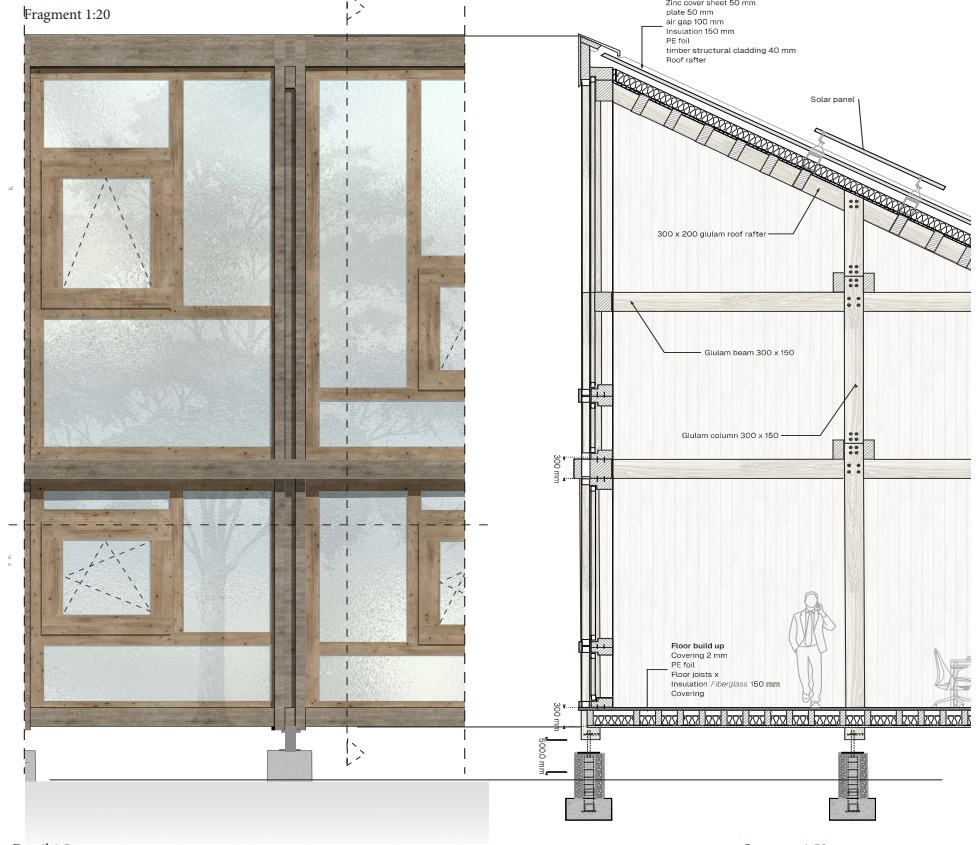
Because of this, the design developed into three main building volumes placed in a row. All three buildings have a similar industrial shape, but each one offers a different spatial experience and function. The difference between the buildings comes from their window designs, which are based on different geometric shapes.
Looking back at the design process, I have learnt a lot from this project. At the beginning, there was too much focus on small details, especially because of the advised model scale 1:33 and the glass concept. This made it hard to see the main concept clearly, and many different ideas were explored at the same time. However, this process also helped shape the final design. Important lessons from this project include the need to start with a clear idea and focus more on the main concept instead of small details, to communicate ideas simply and clearly, and to experiment more with physical models instead of relying mostly on digital ones.
At the beginning of this design project I started off with quite some experimenting. To make a representation for textured glass I decided to use melted sugar. To add viscosity and strength to the substance I decided to add honey; this resulted in a warm amber colored object. This inspired me to make glass orange colored panels foreseen of a certain pattern to play with light and shadow. However, I found out that these big panels create a flat instead of dynamic elevation, and looking from it from a building engineering point of view these panels would not be very sustainable or easy to maintain.
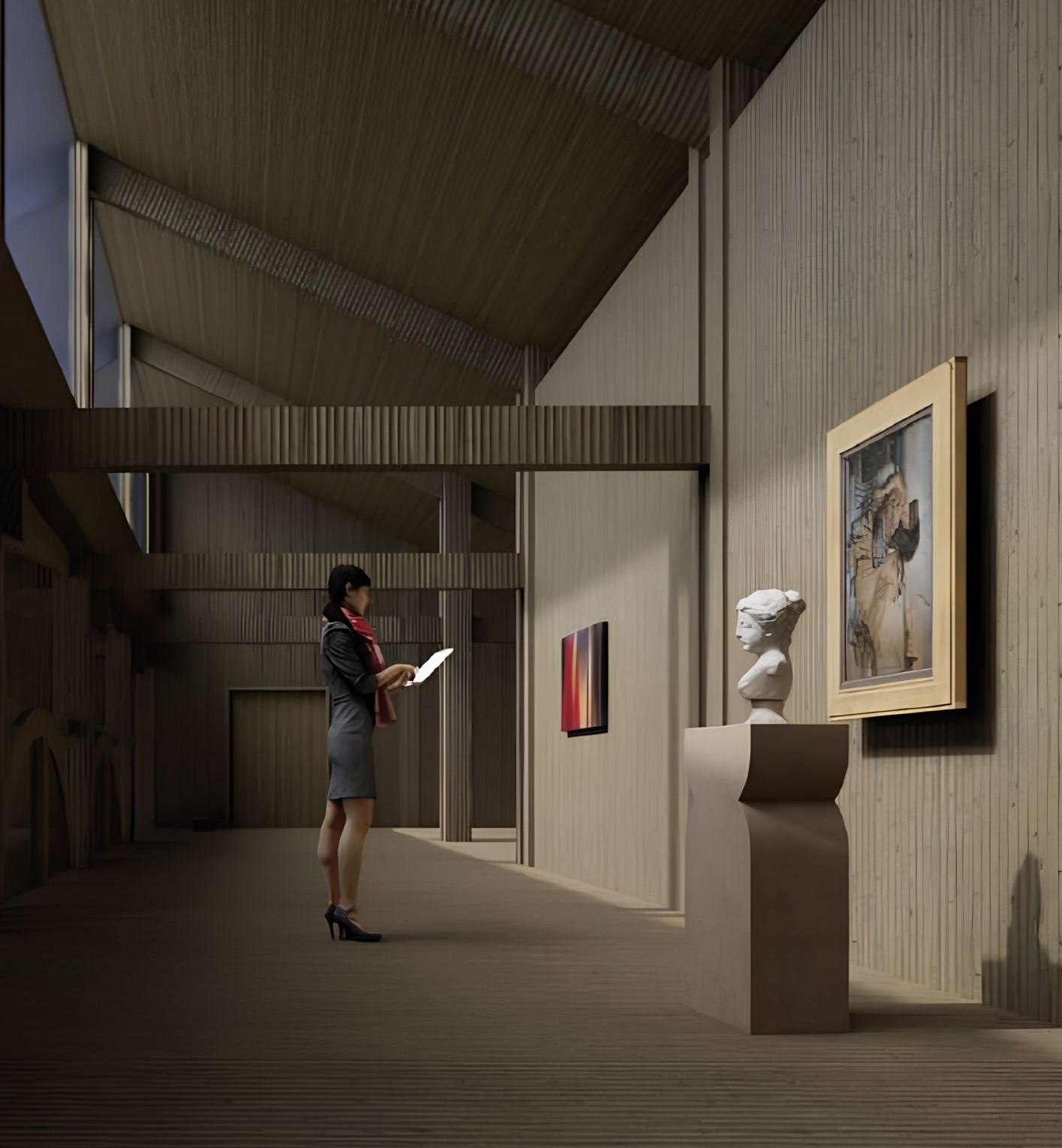
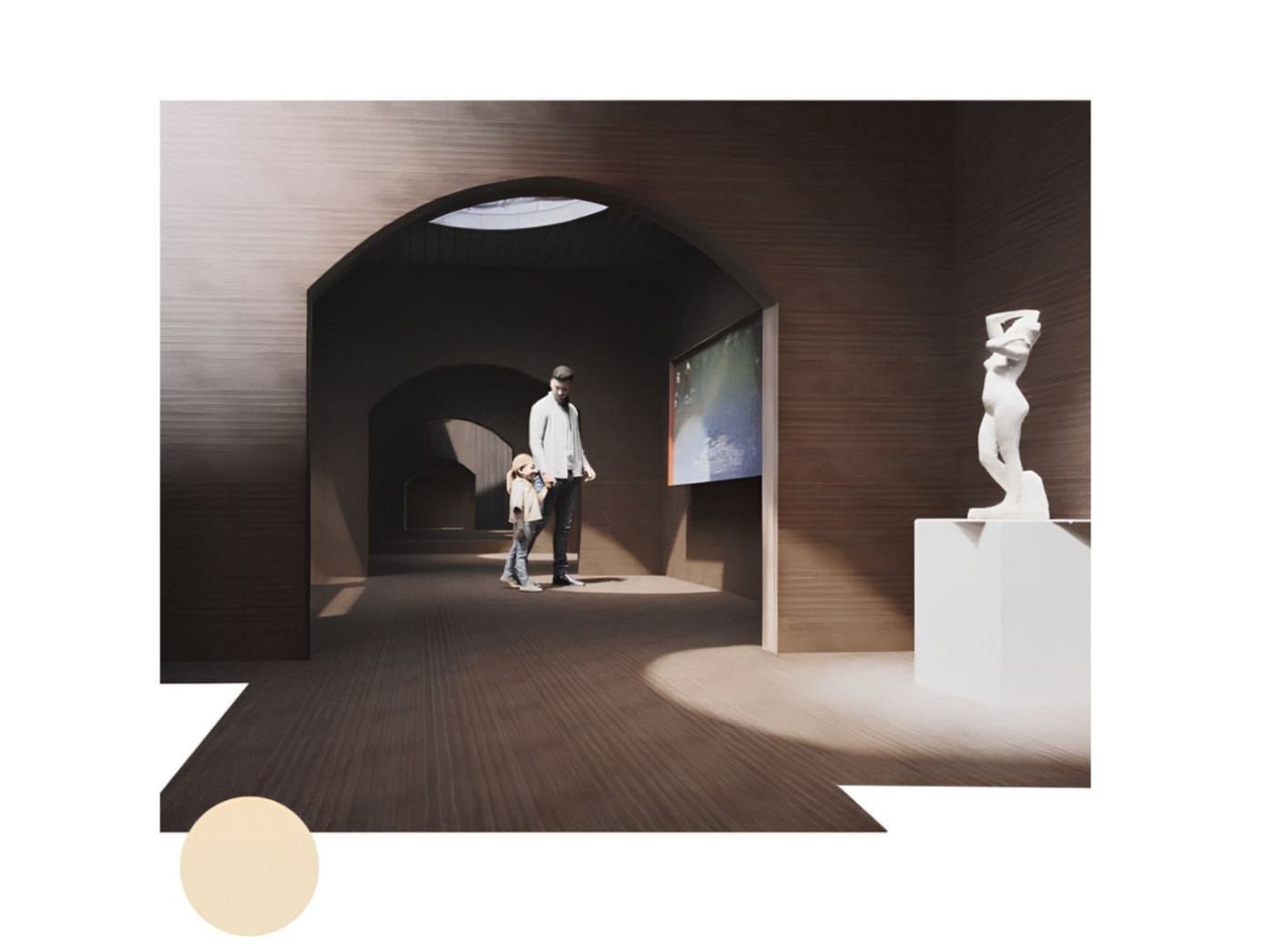
From this on I did some experiments based on interior qualities. I was still fascinated by the play of light from different angles, especially when using reflective surfaces mixed with orange glass. Eventually this became part of the interior of an exhibition hall.
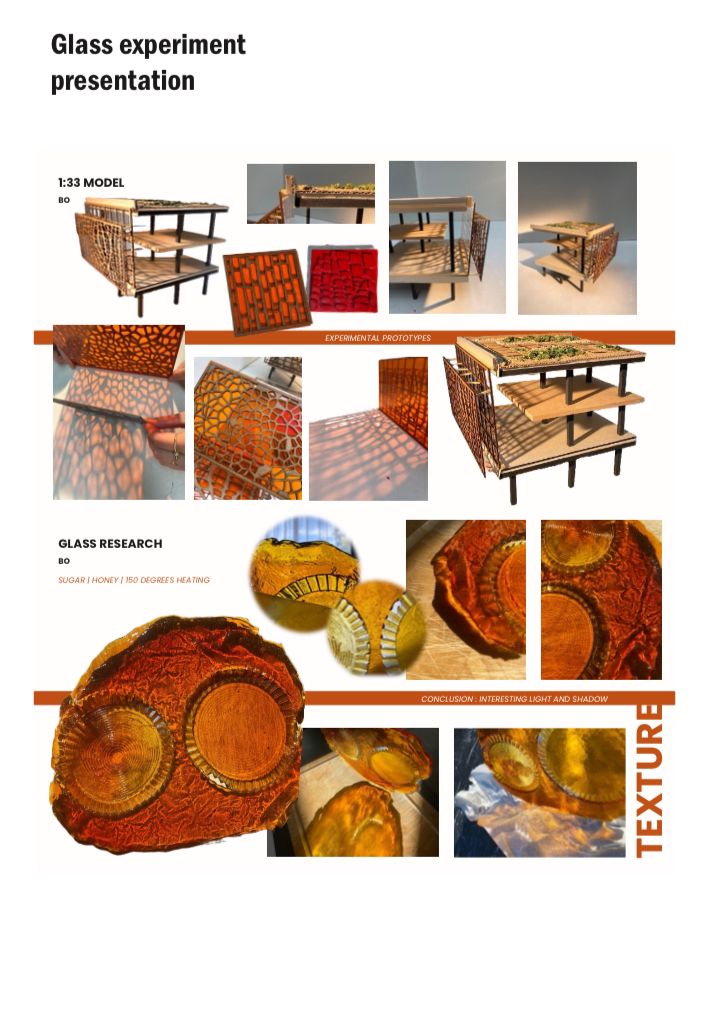
Fig. 1 — Experiment with honey to represent glass.
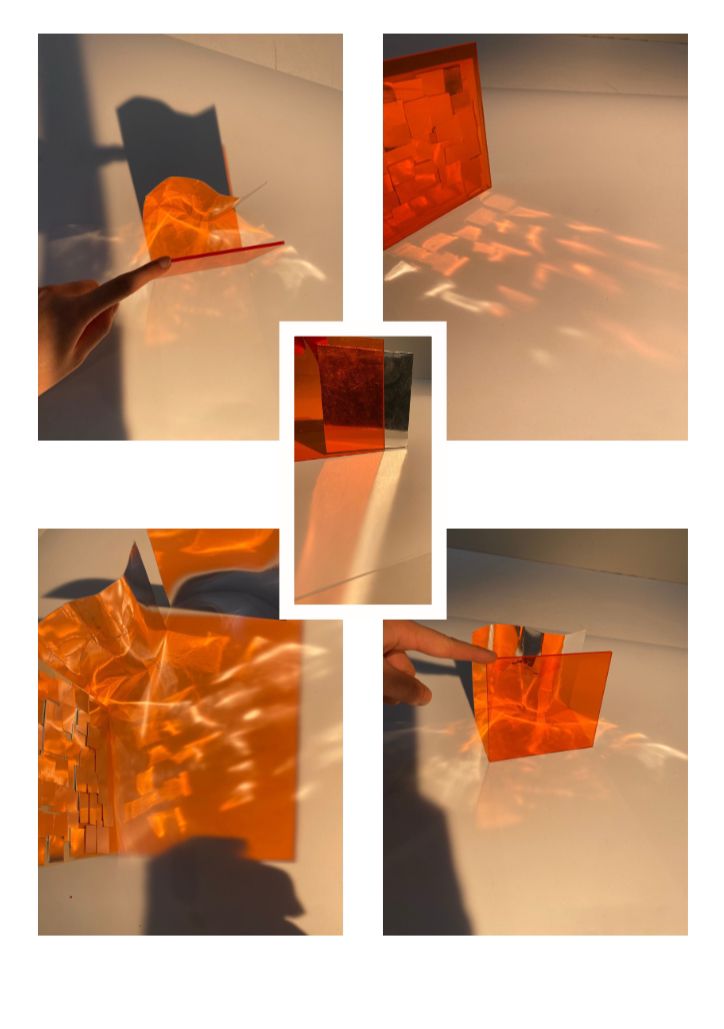
Fig. 2 — Experiments with light.
 Form Study — Massing Model
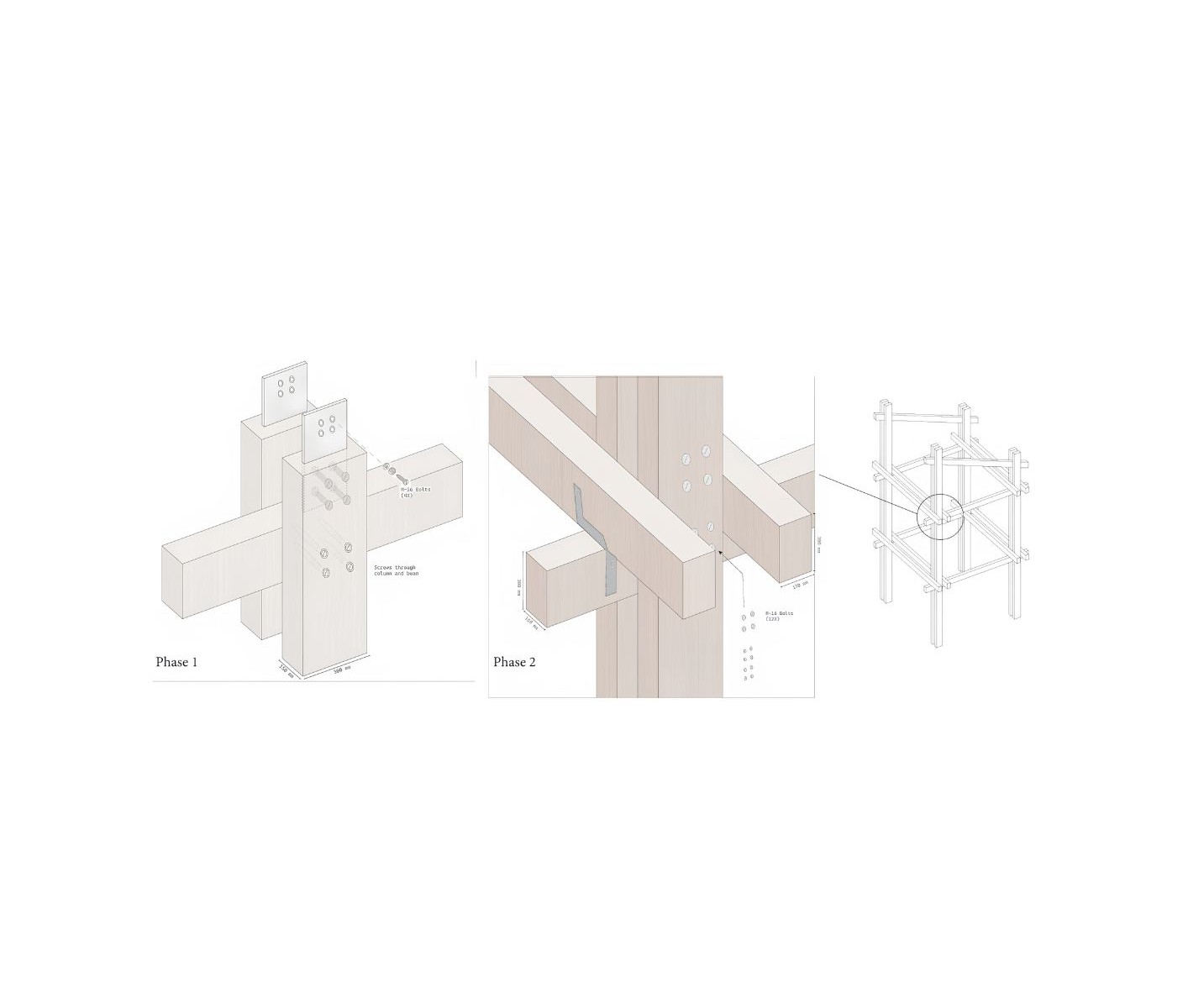 Diagrid Model — Detail
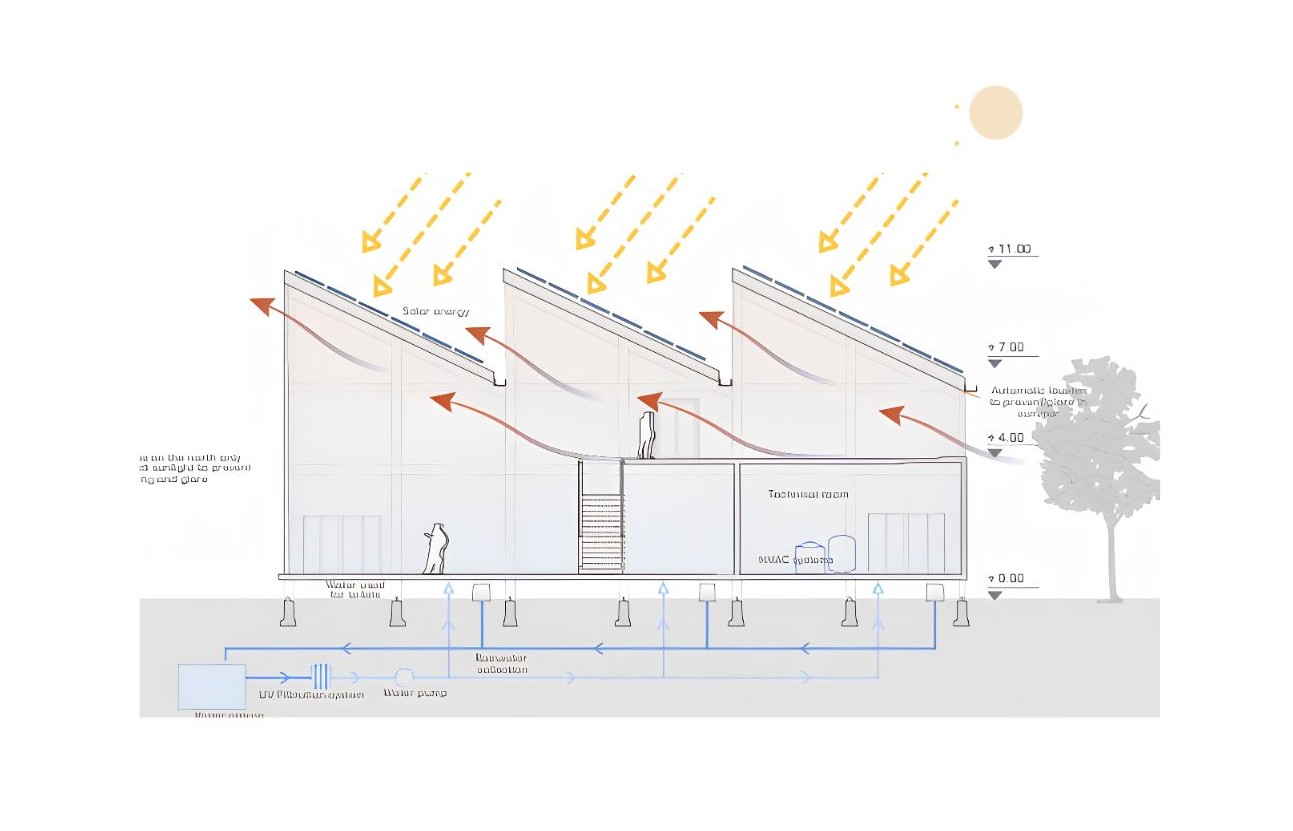 Interior Render — Summer
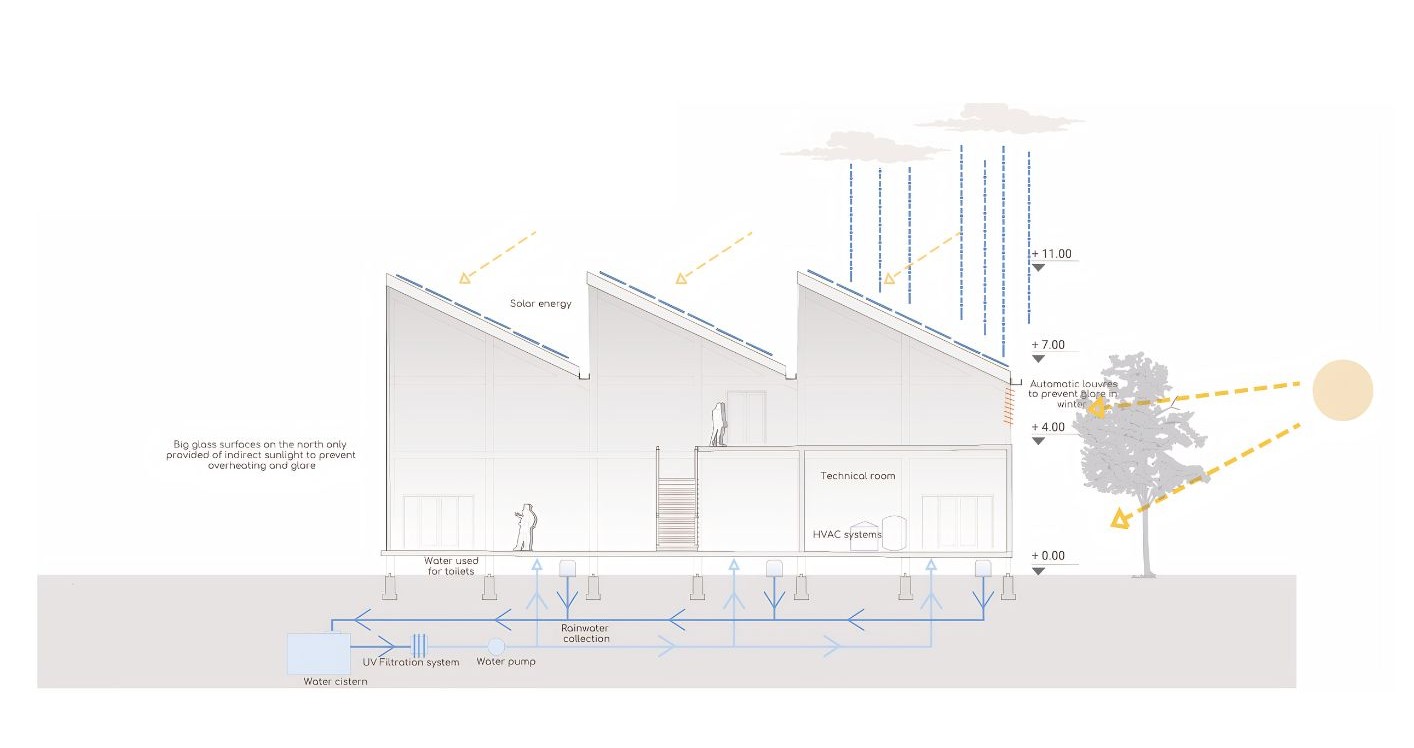 Interior Render — Winter